

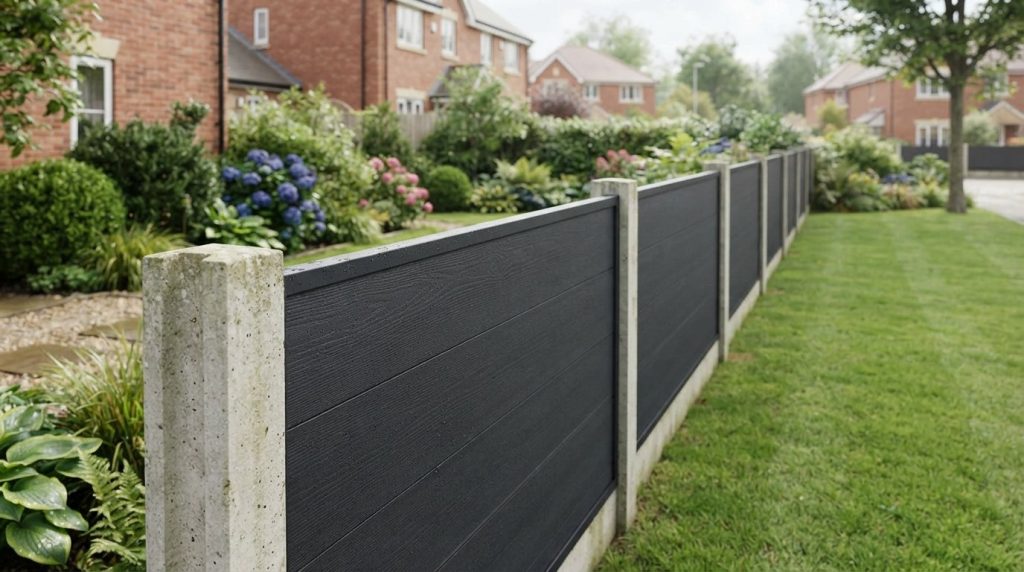
Best Long Lasting Garden Fence: The UK Guide to Maintenance-Free Durability
How many bank holidays have you spent painting timber panels, only to watch them succumb to damp rot or rattle loose in the next winter storm? It’s a frustrating cycle that costs UK homeowners hundreds of pounds every decade in preservatives and replacement parts. When searching for the best long lasting garden fence, the goal isn’t just to find a material that stands up; it’s to find a solution that removes the burden of maintenance entirely. Traditional softwood panels often fail within five to eight years, leaving you with a recurring bill and a weekend of heavy lifting.
We believe your garden should be a place for relaxation, not a source of constant labour. This guide will show you how to break the “rot-replace-repeat” habit by choosing materials specifically engineered for the British climate. You’ll discover how to achieve over 20 years of durability and gale-proof security, often by simply retrofitting modern steel panels into your existing concrete posts. We’ll explore why modern coatings outperform traditional timber, ensuring you get a secure, attractive boundary that stays that way without you ever needing to pick up a paintbrush again.
Key Takeaways
- Understand why the damp British climate causes traditional timber to fail and how to break the cycle of constant repairs and replacement.
- Compare the lifespans of different materials to see why steel is the best long lasting garden fence for those seeking a zero-maintenance solution.
- Learn how a high-density insulated core provides structural stability and sound dampening that hollow panels simply cannot match.
- Discover how to complete a “Retro Fitting Panel Swap” to upgrade your boundary in hours by utilising your existing concrete posts.
- Identify how to achieve a secure, attractive garden perimeter that requires no painting or treatment for 20 years or more.
Beyond Timber: Why Traditional Fencing Often Falls Short in the UK
Traditional timber has long been the default choice for British gardens, but many homeowners find themselves trapped in a frustrating “rot-replace-repeat” cycle. Whilst wood offers a natural aesthetic initially, it’s essentially a temporary material when exposed to the UK’s relentless moisture and frost. Over time, water penetrates the wood cells, freezing during winter and causing the fibres to expand and split. This structural breakdown is why even the best long lasting garden fence made of timber eventually requires significant owner intervention just to stay upright.
The hidden cost of wood isn’t just the initial purchase price. It’s the annual investment in stains, brushes, and lost weekends spent trying to fend off the inevitable. Even with regular care, timber panels often rattle in high winds or bow under the weight of wet weather, leading to a boundary that feels insecure and high-maintenance. It’s a pragmatic reality that biological materials are designed by nature to decompose, making them a poor choice for long-term boundary security.
The Vulnerability of Softwood and Hardwood
Pressure treatment is often sold as a permanent fix, but it only delays the inevitable decay. Most domestic timber panels are treated with mild copper-based formulations that struggle against damp British soil. The most common failure points occur at the gravel board level where wood meets the ground, or around fasteners where moisture triggers corrosion. Unlike industrial processes like hot-dip galvanization, which provides a chemical bond to protect steel, timber treatments are merely surface-level applications that leach away over time. This leads to warping, splitting, and the eventual snapping of posts during seasonal gales.
The Aesthetic Decline of Wood
Beyond structural failure, timber suffers from a predictable aesthetic decline. The vibrant cedar or oak hues quickly fade into a dull, weathered grey as UV rays break down the lignin in the wood. In shaded or damp areas, you’ll likely deal with unsightly green algae and mould growth that doesn’t just look poor but actively accelerates rot. Attempting to fix this with re-staining often produces patchy, inconsistent results, as older wood absorbs the liquid differently than newer sections. Choosing the best long lasting garden fence means looking beyond materials that require constant restorative work to maintain their appearance.
Comparing Fencing Materials for Lifespan and Maintenance
Selecting the best long lasting garden fence requires a shift in perspective. Instead of looking at the initial purchase price, homeowners should evaluate the “cost per year of life”. While a standard timber panel is the cheapest option upfront, its average lifespan of just five to eight years makes it a poor long term investment. When a material is marketed as “maintenance-free”, it should realistically offer 20 to 30 years of service without requiring structural repairs, painting, or chemical treatments.
Before you commit to a new material, ensure your project aligns with local standards. You can find official guidance on height limits and boundary rules in the UK fence planning permission regulations. This is particularly relevant if you’re replacing a damaged fence with a more substantial, modern system that might differ in height from your original boundary.
Composite and PVC: The Plastic Alternatives
Composite and PVC panels have gained popularity as rot-resistant alternatives to wood. Composite offers a textured, natural appearance but can be prone to thermal expansion. In direct summer sunlight, unreinforced composite boards may bow or sag. PVC is exceptionally lightweight and easy to clean, yet it can become brittle over time due to UV exposure. Both materials often struggle with the “sail effect” during British gales. Without a rigid internal structure, these panels can flex significantly, sometimes popping out of their post channels during 60mph gusts.
Steel: The Engineering-First Approach
Steel represents an engineering-led solution to boundary security. High quality panels use galvanised steel protected by a polyester topcoat to prevent rust and peeling. This combination delivers a design life of 30 years or more with virtually zero structural maintenance. Unlike flat plastic or wood, steel panels often feature profiled sheets. These ridges aren’t just for decoration; they provide immense structural rigidity, allowing the fence to withstand lateral wind forces that would snap timber posts or warp composite boards.
When you calculate the total cost of ownership, including the labour and materials saved by avoiding biennial staining, steel is often the most economical choice. If you’re ready to move away from temporary fixes, consider how maintenance-free fence panels can provide a permanent, attractive boundary for your home. This approach ensures your garden remains a place of leisure rather than a site for recurring DIY chores.
The Case for Steel: Why It Is the Best Long Lasting Garden Fence
Steel has emerged as the definitive choice for homeowners who want to move beyond the cycle of timber decay. Unlike organic materials, engineered steel doesn’t absorb moisture, meaning it won’t rot, warp, or provide a home for wood-boring insects. By using profiled steel sheets, these panels achieve maximum structural strength with minimal weight. This makes them easy to handle during installation whilst ensuring they remain immovable once locked into place. In terms of security, a steel boundary is significantly harder to breach than timber; it cannot be easily kicked through or dismantled by opportunistic intruders.
The longevity of these systems is grounded in the science of metallurgy. When steel is treated with protective layers, it resists the atmospheric conditions that cause standard metals to rust. You can see this in the durability and corrosion rates of steel documented by industry experts, which show that coated metals can survive for decades even in damp or coastal environments. Choosing steel is a pragmatic decision for anyone seeking the best long lasting garden fence that delivers security and aesthetic appeal without the recurring costs of wood.
Maintenance-Free by Design
The primary advantage of steel panels is their resilience against the elements. Modern factory finishes, such as polyester powder coatings, create a non-porous surface that resists UV fading and peeling. Unlike wood, which requires you to sand and re-apply preservatives every two years, steel is essentially “wipe clean”. If your fence gets splashed with mud or dust, a quick spray with a garden hose is usually enough to restore its appearance. Because the panels are precision-engineered to fit snugly, they don’t rattle in the wind or develop the unsightly gaps often seen in shrinking timber slats.
Acoustic and Thermal Insulation
While many people associate metal fences with hollow, echoing sounds, high-quality steel panels utilise a high-density insulated core. This core acts as a rigid spine that prevents the steel faces from flexing or denting under pressure. Beyond structural stability, this insulation provides impressive sound-dampening qualities. It helps to block out the drone of traffic or noisy neighbours, turning your garden into a quiet sanctuary. By combining the strength of profiled steel with an insulating layer, you create a boundary that is as functional as it is durable.

How to Retrofit Durable Panels into Existing Concrete Posts
Many homeowners assume that upgrading to the best long lasting garden fence requires a complete boundary teardown. However, if your garden already features standard UK slotted concrete posts, you can bypass the heavy digging and skip hire fees. These posts are often structurally sound for 40 years or more, even when the timber panels they hold have rotted away. Choosing a Retro Fitting Panel Swap is the most sustainable way to modernise your garden; it reuses existing foundations and prevents tonnes of concrete from ending up in landfill. This approach allows you to focus your budget on high-quality materials rather than expensive groundworks.
Measuring and Preparation
Before ordering your new panels, confirm the dimensions of your current setup. Most UK concrete posts are set at six-foot (1.83m) centres with a 50mm (2-inch) channel width. Take measurements at the top, middle, and bottom of the gaps between the posts to ensure they haven’t shifted or leaned over time. Once you’ve confirmed the fit, clear out any old timber debris, splinters, or rusted nails from the post grooves. Use a stiff brush or a pressure washer to clean the concrete channels; this ensures the new panels slide down smoothly without snagging. Check that your existing gravel boards are level and solid, as these provide the crucial foundation for your new boundary panels.
The Installation Process
The beauty of modular steel systems is that they can be installed by two people in under an hour per run without specialist tools. To avoid scratching the protective coating, slide the panels into the concrete grooves slowly and keep them perfectly vertical. If you find the panels feel slightly loose within the 50mm channel, you can use simple spacers to achieve a snug fit. This prevents the fence from rattling during high winds, which is a common annoyance with traditional timber slats. To complete the transformation, you can apply powder-coated post covers. These hide the weathered concrete and create a coordinated, contemporary look that matches your new best long lasting garden fence panels.
By focusing on a retrofit approach, you reduce the physical labour of the project whilst achieving a professional finish. If you’re ready to stop the “rot-replace-repeat” cycle, you can start your Retro Fitting Panel Swap today and secure your garden for decades to come.
Choosing EnduroFence for a Maintenance-Free Future
Choosing EnduroFence means selecting a product engineered specifically for the challenges of the British landscape. Whilst many generic metal fences are designed for drier climates, our panels are manufactured within the UK using materials that account for high wind loads and persistent damp. By combining the structural strength of profiled steel with a high-density insulated core, we provide a boundary that doesn’t just look the part but performs year after year. It’s a pragmatic upgrade for anyone searching for the best long lasting garden fence that removes the burden of maintenance entirely.
The EnduroFence advantage is built on a foundation of straightforward, high-quality engineering. Our panels are designed to be accessible to every homeowner, featuring:
- A 40mm thick insulated core for superior strength and noise reduction.
- Profiled galvanised steel sheets that resist impact and wind pressure.
- A dual-layer factory finish that eliminates the need for painting or treatment.
- A design specifically engineered for a simple Retro Fitting Panel Swap.
Because we operate through a franchise-backed network, you can rely on consistent quality and professional support throughout the process. From the initial online quote to the direct delivery of your panels, the journey is designed to be as effortless as the finished product itself.
A Range of Colours and Finishes
A maintenance-free fence doesn’t have to look industrial. We offer a variety of finishes designed to complement both contemporary and traditional outdoor spaces. Anthracite Grey remains our most popular choice, matching the modern bifold doors and window frames found in many UK homes. For those who prefer a more classic look, our wood-effect finishes, such as Golden Oak, provide the texture and warmth of timber without the risk of rot. By coordinating your panels with our matching Post Covers, you can achieve a sleek, unified finish that hides weathered concrete and stays vibrant whilst timber fades into a dull grey.
Investing in Your Property Value
Your garden boundary is a significant part of your home’s kerb appeal and security. Installing a high-quality steel system is a long-term investment that improves the perceived value of your property. Potential buyers recognise the benefit of a secure, attractive fence that requires zero upkeep. When you factor in the saved costs of preservatives, brushes, and replacement panels over two decades, the best long lasting garden fence pays for itself. You can move away from the “rot-replace-repeat” cycle and enjoy a garden that is built to last. To see how easily you can transform your boundary, Get your free EnduroFence quote today.
Secure Your Garden for the Long Term
Choosing the best long lasting garden fence is a pragmatic investment in your home’s future. By moving away from the recurring costs and labour associated with timber, you can enjoy a boundary that remains secure and attractive for decades. We’ve explored how modern steel panels solve the common frustrations of rot and gale damage, particularly when they’re designed to fit existing concrete posts. These systems require no painting or treatment, allowing you to reclaim your weekends whilst benefiting from the sound dampening qualities of a high-density insulated core.
Upgrading your garden boundary doesn’t have to be a disruptive or complicated process. With a simple Retro Fitting Panel Swap, you can transform your outdoor space in a single afternoon. If you’re ready to achieve a maintenance-free lifestyle and a more secure garden, request a free quote for maintenance-free fencing today. It’s a straightforward step toward a permanent solution that you can rely on, regardless of what the British weather brings.
Frequently Asked Questions
What is the longest-lasting type of garden fence?
Coated steel systems are widely considered the most durable option for domestic use. Unlike timber which rots or composite which can warp, galvanised and polyester-coated steel panels are engineered to last for 20 to 30 years or more. This longevity makes them a strong contender for the best long lasting garden fence. They resist biological decay and structural fatigue, providing a permanent boundary that remains stable through decades of harsh British winters.
Do steel fence panels rust over time in the UK?
High-quality steel panels are specifically treated to prevent corrosion in damp environments. They feature a galvanised zinc layer followed by a durable polyester topcoat that acts as a weather-resistant barrier. This multi-layer protection ensures the metal is never directly exposed to the elements. Whilst standard untreated metals might oxidise, these engineered panels are designed to remain rust-free and structurally sound for over 20 years without any additional chemical treatments.
Can I fit steel fence panels into my existing concrete posts?
Yes, these panels are designed specifically to slide into the standard 50mm (2-inch) channels found in most UK concrete posts. This allows for a straightforward Retro Fitting Panel Swap, which is significantly faster and cheaper than a full boundary replacement. By utilising your existing foundations, you can upgrade your garden’s appearance and security in hours. It’s a pragmatic solution that reuses sound concrete whilst replacing the vulnerable timber elements.
How much maintenance do steel garden fences actually need?
Steel fencing is essentially maintenance-free, requiring no painting, staining, or annual preservative treatments. Because the colour is factory-bonded to the metal, it won’t peel or flake like traditional wood stain. The only upkeep typically involved is an occasional wipe down or spray with a garden hose to remove surface dust or mud. This lack of ongoing labour is a primary reason why many homeowners consider steel the best long lasting garden fence available.
Are metal fence panels noisier than timber in the rain?
Modern steel panels are not significantly noisier than timber because they include a high-density insulated core. This core acts as a sound-dampening layer that absorbs impact energy, preventing the “drumming” effect often associated with hollow metal sheets. In fact, this insulation often provides better acoustic privacy than thin timber slats, helping to block out ambient street noise and creating a much quieter, more peaceful garden sanctuary for your family.
How do steel fence panels handle strong winds compared to wood?
Steel panels offer superior wind resistance due to their structural rigidity and interlocking design. Unlike timber panels that can catch the wind like a sail and snap at the post, profiled steel is engineered to withstand high lateral forces. The panels are securely held within the concrete post channels, making them far less likely to rattle or blow out during a storm. This stability ensures your boundary remains intact even during severe UK gales.
What colours are available for maintenance-free fencing?
You can choose from several contemporary and traditional finishes designed to suit any garden aesthetic. Anthracite Grey is a popular modern choice that coordinates well with bifold doors and window frames. If you prefer a more natural look, wood-effect finishes like Golden Oak provide the appearance of timber without the associated maintenance. Other options often include classic greens and blacks, ensuring your new fence complements your existing landscaping whilst remaining vibrant for years.
Can I install these panels myself or do I need a professional?
These panels are designed for easy DIY installation and don’t require any specialist tools or qualifications. Because they are modular and slide directly into existing concrete posts, most homeowners can complete a panel swap themselves. The process is straightforward and typically requires two people to lift and guide the sections into place. This accessibility makes it a cost-effective project that provides a high-quality, professional-looking result without the need for external contractors.

Leave a Reply