

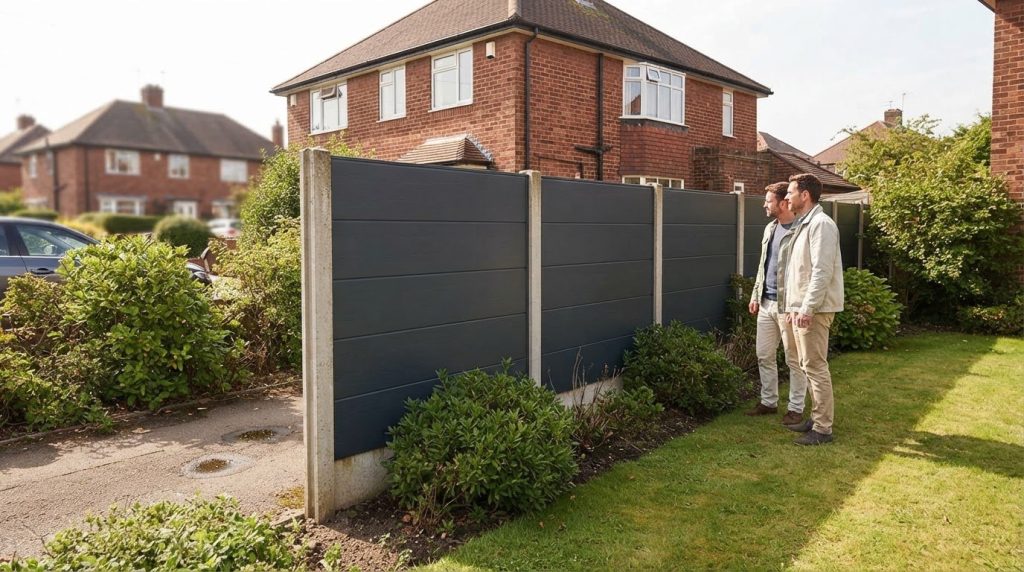
Does fencing add value to a UK house? What affects its impact
A well-chosen fence can make a home more appealing to buyers. An attractive, well-installed fence is estimated to add 5-10% to a property’s value, although the effect depends on its quality, condition and materials. So, does fencing add value to a house in the UK? It can, especially when it improves the garden without looking out of place.
It’s understandable to expect a clear return from a home improvement, but fencing’s contribution is about more than appearance. Privacy, security and a tidy boundary can shape how buyers view a garden, while a fence that clashes with the house or looks neglected may be less appealing.
This article explains how fencing can affect a home’s value and why the right choice depends on the property and its setting. You’ll also learn how planning rules and installation quality can influence the result, helping you weigh the practical benefits before making a change.
Key Takeaways
- Judge a fence by its condition, quality and fit with the property, not just its price or appearance.
- Consider how the boundary could improve privacy and security while keeping the garden attractive and usable.
- Choose a style that sits comfortably with the house and the surrounding neighbourhood to support buyer appeal.
- Plan fence height carefully: according to the UK Government, planning permission is required for a fence over 2.00 metres high.
Does A Fence Add Value To A House?
A well-presented fence can improve a garden’s appearance and appeal to buyers, but its effect depends on its condition, design and fit with the property. A tidy boundary and a cared-for garden work together when selling.
Fencing and property valuation
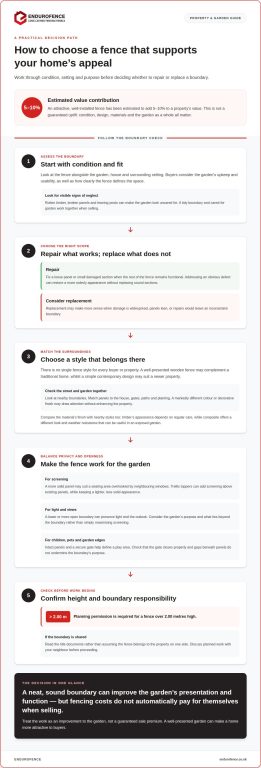
Fence-related property valuation is how a boundary’s condition and appeal contribute to a buyer’s view of a home. An attractive, well-installed fence has been estimated to add 5-10% to a property’s value. That estimate isn’t a guaranteed uplift: buyers also assess the garden as a whole, including its upkeep, usability and how well the fence defines the space.
For example, orderly panels and a tidy lawn can make an outdoor area feel cared for. A costly timber fence that clashes with the house may not have the same appeal.
Repairing or replacing before sale
Before a sale, address visible damage that could distract buyers during viewings. Repair a loose panel or a small damaged section if the rest of the fence remains functional. Consider replacing it when damage is widespread, panels lean, or repairs would leave an inconsistent boundary. A neat, sound fence helps present the garden as well cared for.
For a shared boundary, check the relevant documents and discuss any planned work with your neighbour before proceeding. Read the title documents before arranging work rather than assuming the fence belongs to the property on one side.
Fencing costs and sale returns
This is a general estimate, not a price for a particular panel or project. A small repair and a full boundary replacement involve different amounts of material and work, so the scope matters.
Fencing costs don’t automatically pay for themselves when selling. Treat the work as an improvement to the garden’s presentation and function, not as a guaranteed sale premium. A well-presented garden can make a home more attractive to buyers.
Poor fence condition and value
A poorly maintained fence can weaken a property’s presentation by making the garden look neglected. Rotten timber, broken panels and leaning posts are visible signs that buyers may associate with repairs or upkeep. Fixing the obvious defect, such as replacing a damaged panel, can restore a more orderly appearance without replacing sound sections.
Keep the boundary functional as well as tidy: a secure gate and intact panels help define the garden. Buyers can then focus on the outdoor space rather than visible fence damage.
Why is fencing important to a property?
Fencing shapes how a garden looks and functions, from kerb appeal at the front to privacy at the rear. Its value depends on the boundary’s purpose and the home’s setting.
Kerb appeal
Kerb appeal is the first impression a property makes from the street. A fence that suits the house can make its front boundary look considered, while a tidy garden behind it adds to that impression. For example, a simple, well-kept design may complement a traditional home better than a highly decorative fence.
Buyers notice how boundaries relate to paths, planting and the house itself. An attractive fence can frame the entrance and give the garden a clear edge. But appearance needs to work with function: a front boundary that blocks light or feels imposing may detract from the overall look.
Material also shapes the impression. Composite fencing offers a different look from timber, and its weather resistance can be useful in an exposed garden. Match the finish to the property and surrounding planting, rather than choosing a material in isolation.
Privacy and security benefits
Fencing can create privacy and help keep unwanted visitors or animals out of a garden. A more solid panel may suit a seating area overlooked by neighbouring windows, while a lower or more open boundary can preserve light and views. The right balance depends on what lies beyond the boundary and how the garden is used.
For households with children or pets, intact panels and a secure gate help define where they can play. Buyers may value that practical separation, particularly where a garden borders a path or open space. Check that the gate closes properly and that gaps beneath panels don’t undermine the boundary’s purpose.
Trellis toppers can add screening above existing panels while retaining a lighter, less solid appearance. Consider their effect on the garden’s light and overall proportions before adding them. If concrete posts are visible, fence post covers can provide a neater finish to the boundary.
Matching fencing to neighbourhood trends
Fences influence how a home fits its street, so a suitable style can enhance its overall presentation. For prospective buyers, the addition should feel consistent with the house and garden, not like a feature chosen in isolation.
What types of fencing do UK homebuyers prefer? There isn’t one style that suits every buyer or property. A well-presented wooden fence may complement a traditional home, whilst a simple, contemporary design may suit a newer property. Condition and fit with the surroundings matter alongside material.
Look at nearby boundaries before choosing a replacement. If neighbouring homes have restrained timber panels, a similarly understated fence can keep the street’s appearance cohesive. A markedly different colour or decorative finish may draw attention, but not always in a way that enhances the property.
Consider the garden’s purpose, too. Families with children may value a secure boundary around a lawn or play area, while a garden backing onto a quiet view may benefit from a lower, more open design. The fence should balance privacy with light and the outlook, rather than simply maximise screening.
Material affects the character and upkeep buyers see. Wooden fences can be painted or stained to suit a garden, but their appearance depends on regular care. Composite fencing offers another visual option; compare its finish with nearby styles and existing garden features before deciding. Match panels to gates, paths and planting, so the boundary feels integrated.
Before committing, view the proposed style from the street and from inside the garden. Check how it sits beside the house’s brickwork, neighbouring fences and established planting. This simple comparison helps avoid an expensive-looking mismatch and makes the fence feel like a considered part of the property, rather than a feature that competes with it.
Planning permission and installation quality
Fence height and a sound installation affect whether a boundary is practical and presentable. Both matter when homeowners plan changes to outdoor space.
Planning permission
Planning permission is approval that may be needed before certain fence work proceeds. It matters because an unsuitable height can create planning issues and undermine a home’s appeal.
According to the UK Government, planning permission is required for a fence over 2.00 metres high. According to the UK Government, permission is also required for a fence taller than 1 metre where it adjoins a road or footpath.
For England, Scotland, Wales and Northern Ireland, these are the UK height rules relevant here. Boundary-fence requirements can also depend on the location and circumstances, so don’t treat a height threshold as the only consideration. A fence beside a road, for example, needs particular attention to its position and height before work begins.
Installation quality
Installation quality means fitting fence components securely and consistently, so the finished boundary performs as intended. It matters because leaning panels, uneven lines or unstable posts can quickly detract from a garden’s appearance.
For example, a fence with unevenly fitted panels may look unfinished, even if the material is sound. Straight alignment, secure support and a suitable fit between panels help create a durable result. A well-fitted fence can also define the outdoor space clearly and make the boundary look considered.
Check how the fence meets the ground, joins existing posts and finishes at corners. These details affect the overall appearance and function, particularly on sloping ground. A consistent finish can support the property’s appeal, while poor workmanship may leave homeowners facing avoidable repairs.
Check with the local council, especially for listed properties, and seek professional advice and installation from a qualified contractor. A 140mm gravel board can protect a 1.83-metre fence panel from ground contact.
EnduroFence: Maintenance-Free Fence Panels
EnduroFence offers Maintenance-Free Fence Panels for homeowners looking to refresh garden boundaries without replacing existing concrete posts. The panels have profiled steel outer sheets on both sides and a high-density insulated core. They are powder-coated, with no painting or treating needed.
For a damaged or dated timber fence, EnduroFence’s Retro Fitting Panel Swap lets homeowners replace panels while keeping suitable existing posts. The panels are designed for straightforward fitting, and no training or qualification is needed.
EnduroFence’s EnduroSmart Post Cover can finish a boundary by covering existing concrete posts. It can help create a neater look alongside maintenance-free panels, with the right choice depending on the condition of the posts and the style you want.
Explore EnduroFence’s fence panel options at endurofence.co.uk.
Make your next fencing decision with confidence
If you’re weighing whether fencing adds value to a house in the UK, start with what you want the garden to do for its next owner. A boundary can support privacy, define usable space or give the garden a more finished feel. Decide which outcome matters most before choosing a design or making changes.
Think beyond the sale, too. A fence you can live with day to day should suit the home, work for the garden and fit your plans for the space. That keeps the decision grounded in present use and future appeal, rather than relying on a hoped-for increase in value.
If you’re considering a change, EnduroFence can help you explore a suitable fencing option for your garden. Contact EnduroFence to discuss your fencing and take a clear next step towards a garden boundary that works for your home.
Frequently Asked Questions
Does garden fencing increase house value in the UK?
Garden fencing can contribute to a home’s appeal, but it doesn’t create a set increase in value by itself. Whether fencing adds value to a UK house depends on how it works with the property and what buyers of similar homes are looking for. A well-presented boundary can support the overall impression; a costly upgrade may not affect a buyer’s offer if it doesn’t suit the house.
Does fencing improve kerb appeal, privacy or security for UK buyers?
Yes, a suitable fence can improve kerb appeal and help buyers picture how they would use the garden. For example, a clear boundary can make an awkwardly shaped space easier to understand, while screening can make a seating area feel more private. Buyers may also appreciate a secure enclosure for a dog, but an overly solid fence could make a small garden feel closed in.

Leave a Reply